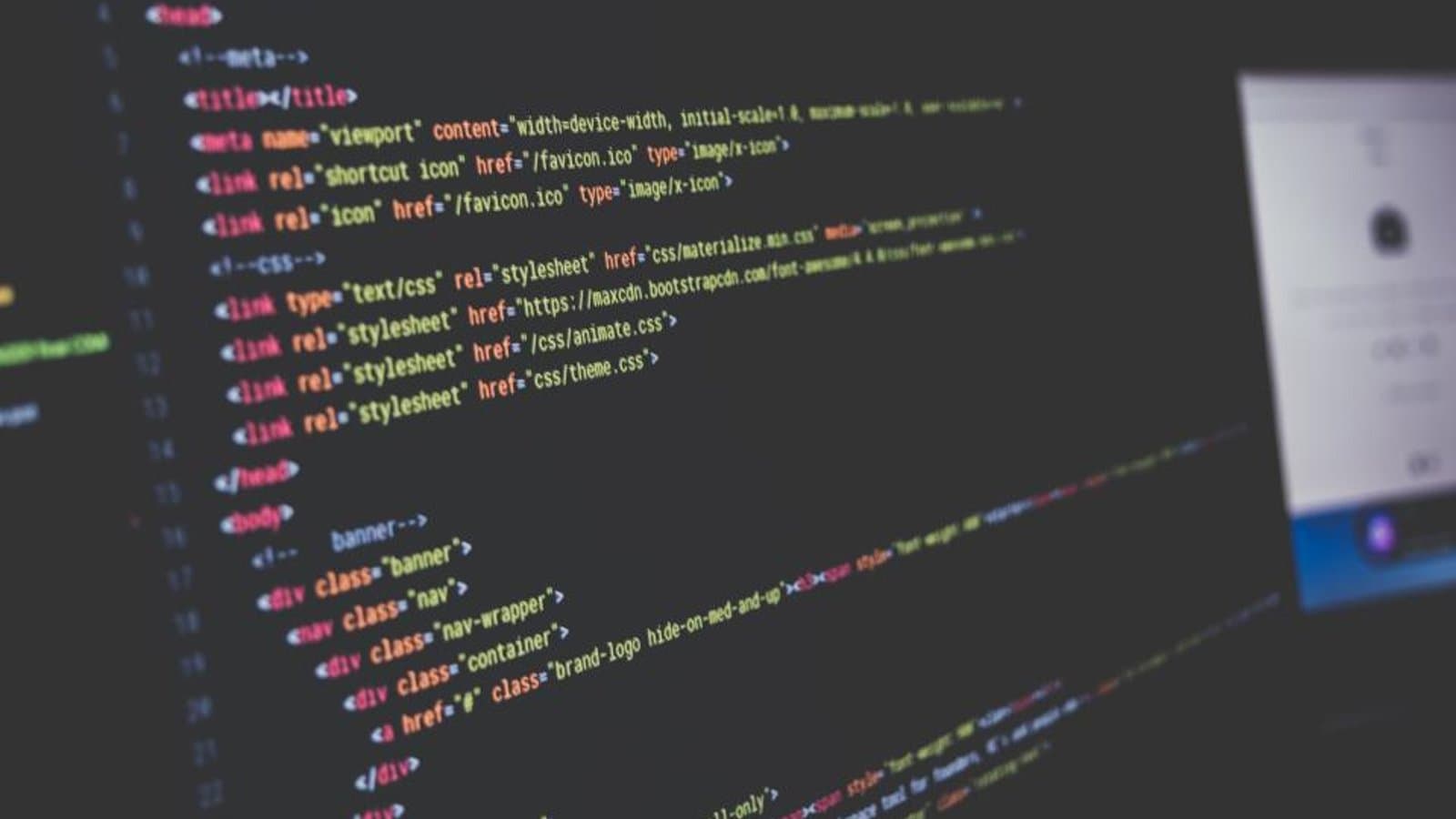
How to Become a Web Developer in Nigeria From Zero
I keep meeting people who say they would love to become a web developer but do not know where to begin. The internet does not help. One video says learn Python, another says JavaScript, a third says you need a degree, and a fourth says you need nothing but a laptop. If you are in Nigeria, add unstable power, expensive data and the pressure to earn quickly.
So here is a plain route, written for someone starting from zero in a Nigerian context, with the honest trade-offs.
First, be clear about what you are aiming for
Web development splits into a few directions. The front end is what people see and click: layouts, buttons, forms. The back end is what happens behind the scenes: saving data, processing payments, handling logins. Full-stack means both. You do not need to choose forever, but you should choose a starting point.
Most beginners do best starting with the front end. You see results quickly, which keeps you motivated, and the tools are free.
What you need to get started
Less than you think. A laptop that can run a code editor and a browser. Reliable enough internet for learning, which you can manage by downloading tutorials and documentation for offline use when you have data. A way to keep working through power cuts: a charged laptop, a power bank, or a cafe or co-working space when the situation is bad. Do not underestimate this part. Consistency beats intensity, and someone who studies two hours daily beats someone who binges for a weekend and vanishes.
The core skills, in order
HTML and CSS. The building blocks of every web page. HTML gives structure, CSS gives style. You can build a real page within days. Do not rush past this. Many weak developers skipped it.
JavaScript. The language that makes pages do things. It takes longer and it is where most people struggle, so be patient. Build small things: a calculator, a to-do list, a tip splitter.
Git and GitHub. Saving versions of your work and sharing it. Employers and clients look at your GitHub, so start using it early.
A framework. After JavaScript basics, learn one framework, such as React, so you can build larger applications. One is enough. Chasing every new tool is a trap.
Back-end basics. Once you are comfortable, learn how servers, databases and APIs work, using something like Node.js or Python. This is where payments, user accounts and real business logic live.
Where to learn
You have several routes, and none is the only one that works.
Free online material. There is a huge amount of good free content: documentation, video courses, interactive lessons. It costs only your data and discipline. The weakness is that nobody checks your work or pushes you.
Bootcamps and training centres. Structured programmes in Lagos, Abuja and other cities, and online ones. They provide accountability and a peer group, and they cost money. Research any programme carefully before paying. Ask former students what they are doing now, and be wary of guaranteed job promises.
Apprenticeships and internships. Working alongside developers is a fast way to learn how real projects go. Some pay little or nothing, so weigh what you gain against what it costs you.
Communities. Local developer groups, meetups and online communities help you get unstuck, find opportunities and stay motivated. Ask questions, and answer them when you can.
Build projects, not just tutorials
Watching tutorials feels like progress, and it is a trap when it never turns into anything of your own. The turning point comes when you build something without following along. Pick projects that mean something to you: a site for a relative's business, a price comparison for something you buy, a page for your church group. Real, slightly messy projects teach more than polished exercises.
Aim for three to five finished projects that you can show, each with a short note saying what it does and what you learned. That is your portfolio.
Getting paid before you feel ready
Many people wait until they feel like an expert, which never arrives. Start small. Build a simple site for a local business, even at a low price, to learn how real clients behave: how they change their minds, how they describe what they want and how they pay. Your early clients are practice and reference. Do it honestly, do it well and ask for feedback.
Common mistakes to avoid
- Tutorial hopping. Starting a new course every week and finishing none. Pick one and complete it.
- Learning too many things. Two languages and three frameworks at once will leave you confused. Go deep before wide.
- Copying without understanding. Pasting code that works is fine for a moment, but make sure you can explain it afterwards.
- Waiting for a certificate. A portfolio speaks louder.
- Working in isolation. You will progress faster with feedback from other developers.
- Ignoring scams. Anyone promising a guaranteed high-paying job for a fee should be treated with suspicion.
A realistic timeline
Everyone is different, and it depends how many hours you have. Someone studying consistently for a few hours daily might be comfortable with HTML, CSS and basic JavaScript in a few months and able to build simple sites. Becoming employable often takes closer to a year of steady work, sometimes more. It is not instant, and anyone who says you will be earning big after a two-week course is selling something.
Turning skills into income
Options include a junior role at a company or agency, freelancing, remote work for foreign companies, or building your own products. Many developers combine these over time. If you want to understand how pay compares across these routes, read our look at web developer salaries in Nigeria, and see how to find your first web developer job.
Learning by building on a real platform
One route worth knowing about: instead of writing everything from scratch, you can build client projects on a platform that already handles the heavy parts, such as payments and admin dashboards, and learn how real systems fit together. That is part of why we built our developer platform. Whether you use it or not, the principle is sound: ship real things, and learn from what breaks.
Cover photo: “Laptop Code” by Matthew Henry, licensed CC0 1.0. Source.